


Age of Origins
4.126.42K Reviews
App Specs
- Version
- 1.3.862
- Updated On
- License
- Free
- Downloads
- 50,000,000+
- Developer
- CamelStudio
- Categories
- Strategy
- Platform
- Android, iOS
Screenshots



 Analysis by AppCompare
I came to Age of Origins expecting a familiar zombie strategy game, but its appeal comes from making city management, military planning, and player interaction compete for my attention. It is free to start, yet it asks for more than a few spare seconds: decisions about what to build and how to protect progress can shape what I do next. If you enjoy having several strategic priorities to juggle, that tension is the main reason to stay. If you want a compact game you can finish in a sitting, I would look elsewhere.
Choose it for the kind of strategy you enjoy
This is a mobile strategy game from CamelStudio, built around surviving a zombie-infested setting by developing a shelter and directing forces. Its central loop is broader than a sequence of battles. I found myself thinking about the city as a long-term project, then switching to military choices and the consequences of sharing a world with other players. That combination suits someone who likes making gradual progress as much as winning a particular fight.
The first practical question is whether you enjoy ongoing decisions. A focused puzzle strategy game gives you a contained problem and a clear stopping point; this game leans toward continued development, where upgrading one area means delaying another. The city and its defenses give you a reason to plan ahead, while battles and rival players make those plans feel less abstract. I would choose it over a purely tactical game if I wanted both a growing base and strategic encounters, but not if I wanted every session to have a tidy ending.
Its audience is sizable: it has more than 50 million installs and an average rating of 4.1 from around 548,000 ratings. Those figures suggest that the format has broad reach, not that every player will enjoy its pace. It is rated Teen, and it is free to download. The current version is 1.3.828, and the minimum operating system requirement is Android 7.0. I would check that your device meets the requirement before planning to make it a regular game.
Where the city-building loop earns its place
The strongest part for me is that the shelter is not just scenery between fights. You develop the city, improve defenses, research technology, and strengthen troops, so choosing what to prioritize becomes the everyday strategy. When a new threat makes defense feel urgent, putting effort into walls can make sense; when I want to be more prepared offensively, investing in troops looks more attractive. The trade-off is that a sensible choice now may leave another part of the plan waiting.
One useful habit is to decide what you want your next play session to accomplish before spending resources. I would pick a single focus, such as making the city more resilient or improving the force I rely on in battle, rather than scattering effort across every available improvement. That is not a secret shortcut; it is a way to make the game’s competing priorities easier to read. If you keep changing direction, progress can feel diffuse even when the city is developing.
That planning is also why this is not a great match for someone who dislikes resource trade-offs. The game presents a steady stream of reasons to improve different parts of your setup, and I found it more satisfying when I accepted that I could not treat every priority as equally urgent. Players who prefer a direct campaign with a fixed roster and missions may find the city-management layer distracting rather than rewarding.
Worth Reading Before You Choose

Flipboard Shows What News Apps Must Do Beyond the Feed

Switching to Android Auto Means Rethinking Your Driving Routine

Google Calendar Makes a Crowded Week Easier to Manage

Ludo King Makes the Most of the Minutes Between Plans

Baby Panda World Brings Quick Play to Modern Phones, but Its Game Library Feels Busy

ESPN’s Live Game View Makes Following Close Games Easier
How battles and alliances change the decision
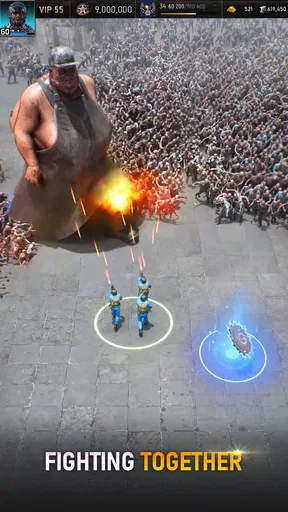
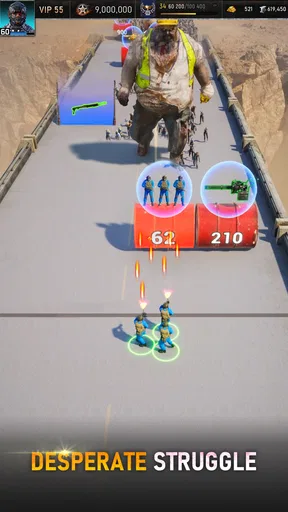
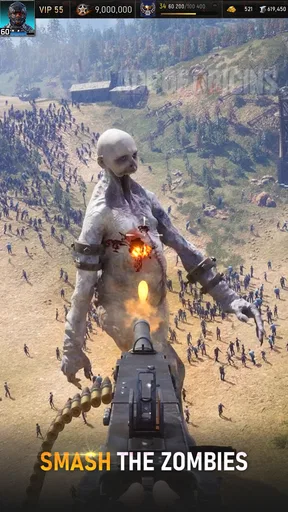
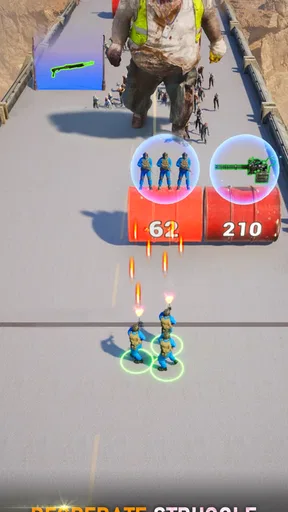
Combat gives the city decisions a purpose. Battles against large zombie enemies call for more than sending in strength and hoping for the best: I had to think about when to commit troops, when to hold them back, and when a special attack would have the greatest effect. That makes a fight feel like a plan unfolding, instead of a simple check of which side has the bigger army. The real-time presentation adds urgency, though the strategic choices matter more to me than the spectacle.
For a more deliberate approach, I would treat a difficult encounter as a chance to learn what my current force can handle rather than as a reason to spend immediately on every possible upgrade. Consider whether the problem is a weak defense, a troop investment that has lagged behind, or the timing of deployment. That distinction helps make the next city decision more purposeful. It also reduces the temptation to react to every loss with a broad, unfocused rebuild.
Alliances are another meaningful part of the experience. Other players can provide a social dimension and support, while rival groups and player-versus-player battles introduce the possibility that the pressure comes from people, not only the undead. I would join an alliance if I wanted shared objectives and a more connected game, but I would not assume that the social layer is optional in spirit just because the city can be managed on its own. Players who prefer solitary strategy should think carefully about whether competition and group coordination sound enjoyable.
A realistic fit for a busy day
Imagine checking in after work with only a little attention to spare. You might make one considered improvement to the shelter, decide whether troop development or defense deserves priority, and then leave a larger battle for a moment when you can focus. That is a more comfortable way to approach this game than opening it with no plan and trying to respond to every demand. Its appeal is the sense of a developing strategy; the drawback is that the game can ask you to keep more than one goal in mind.
I would also set a personal limit before spending. The game is free, but it offers in-app purchases ranging from $0.99 to $394.99 per item. That wide range is a good reason to decide in advance whether I am playing without purchases or setting a strict budget, instead of treating optional spending as an automatic answer to slow progress. If you prefer games with no purchase prompts or monetized progression, a premium strategy title with an upfront price may suit you better.
How it compares, and what to expect over time
Among mobile strategy alternatives, the key distinction is the blend of settlement development, zombie battles, and competition with other players. A tower-defense game is a better fit if you mainly want short, self-contained waves and immediate tactical choices. A turn-based tactics game may be better if you want to pause between moves and focus on a small number of units. A city-management game without PvP may suit you if you want a calmer building experience. This one is for players who want those concerns to overlap, even when that makes their next move less obvious.
Its visuals and sound help give that world character. The city, undead bosses, battle animations, effects, and music make the setting feel more vivid than a bare management screen. The day-and-night changes are a small atmospheric touch rather than a reason to choose the game, but they contribute to the sense of an inhabited world. I would not pick it solely for presentation, yet the audiovisual detail makes returning to the city more pleasant.
The main cost of switching away is not a complicated control scheme; it is leaving behind the project you have been developing and the relationships formed through alliances. That is a common pull in persistent strategy games, and it can make a casual trial feel more involved over time. Before committing, I would ask myself whether I actually enjoy checking on a growing base and coordinating with other players, or whether I am only drawn to the zombie theme. If it is just the theme, a shorter action or defense game may be a better match.
For a newcomer, I would keep the first decisions simple: learn how city improvements, defenses, research, and troops relate to one another, then choose one area to advance rather than trying to optimize everything at once. When an encounter goes badly, look for the specific weakness it exposed before changing your whole plan. And if alliances appeal to you, consider the kind of coordination you are comfortable with; the social layer is most valuable when it feels like help, not another obligation.
The game has been available since September 21, 2018, and its current release is 1.3.828. Those details place it among established mobile strategy offerings, but they should not be mistaken for a promise that every part will suit a new player. I would judge it by the loop itself: whether building a shelter, developing forces, and navigating rival players sounds like an enjoyable long-term routine. Its Teen content rating is also worth checking for younger players and families deciding what is appropriate.
So, is this the right strategy game for you? I would recommend it if you want a zombie setting attached to an ongoing city project, enjoy weighing defense against offense, and find alliances and player competition appealing. I would skip it if you want short sessions with a clean finish, dislike resource prioritization, or would rather avoid social rivalry and in-app purchases. The game’s best quality is that its different systems give you real choices; its main friction is that those choices can make progress feel demanding when you want something more relaxed.
The Gameplay Experience
First off, Age of Origins throws you right into a post-apocalyptic world where humanity is hanging on by a thread. Our task? To rebuild and protect our city from the relentless waves of the undead. Sounds intense, right? Well, it is. But it’s also seriously addictive.
The game combines base-building and real-time strategy, which means you’re not just sitting back and watching things unfold. Nope, you’re actively making decisions and fighting off zombie hordes. The mix of these elements keeps you on your toes, and honestly, I found myself losing track of time more than once.
Building and Upgrading
One of the coolest aspects of the game is the city-building part. You start with a basic layout and gradually upgrade your defenses, research new technologies, and strengthen your troops. It’s like playing SimCity, but with a lot more zombies trying to crash your party.
Every decision matters. Do you focus on upgrading your walls to keep those pesky zombies at bay, or do you invest in your troops to beef up your offensive capabilities? Balancing resources is key, and it’s this constant decision-making that keeps the game engaging.
Epic Battles and Strategy
Now, let’s talk about the battles. Picture this: you’ve got your army lined up, and you’re strategizing how to take down an enormous zombie boss. These battles are not just about brute force; they require strategic planning. You need to know when to deploy your troops, when to hold back, and when to unleash those special attacks.
The game does a great job of making you feel like a military commander. The graphics are impressive, and the animations during battles add a layer of excitement. Watching your units clash with the undead in real-time is both thrilling and satisfying.
Allies and Rivals
No man is an island, especially in the world of Age of Origins. You can form alliances with other players, which is a game-changer. Joining a strong alliance can provide you with resources, reinforcements, and a sense of community. Plus, it’s always fun to team up with others to crush a common enemy.
But beware, it’s not all kumbaya. There are rival factions out there, and PvP (player versus player) battles are a thing. You’ll need to be on your guard and ready to defend your turf. It adds another layer of strategy, and for those who love competition, it’s a thrill.
The Visuals and Sound
Visually, the game is a treat. The graphics are sharp, and the attention to detail is commendable. From the design of the city to the creepy zombie bosses, everything looks great. The sound effects and music also do a fantastic job of setting the mood. Whether you’re in the middle of an intense battle or managing your city, the audio complements the action perfectly.
I also appreciated the little touches, like the day and night cycles, which add a layer of realism to the game. It’s the small things that make the difference, right?
Final Thoughts
Alright, so what’s the verdict? Age of Origins is a solid pick for anyone who loves strategy games with a zombie twist. It’s challenging, engaging, and offers plenty of content to keep you coming back for more. The social aspect adds depth, and the visuals and sound are top-notch.
Whether you’re a seasoned strategist or a newbie looking for some zombie-smashing fun, this game has something for everyone. Just be prepared to lose track of time as you get sucked into this post-apocalyptic world. Trust me, it’s worth it.
Pros
- Engaging real-time strategy gameplay
- High-quality graphics and animations
- Diverse range of units and upgrades
- Strong community and alliance features
- Regular events and updates
Cons
- Can be pay-to-win in late stages
- Requires constant internet connection
- Tutorials can be overwhelming
- Battery drain on older devices
- In-app purchases can be costly
FAQs for Age of Origins
What is the objective of Age of Origins?
Age of Origins is a strategy game where players build and manage a city in a post-apocalyptic world overrun by zombies. The primary objective is to survive, expand your territory, and form alliances with other players to fend off zombie hordes and rival factions.
Is Age of Origins free to play?
Yes, Age of Origins is free to download and play on both Android and iOS devices. However, it offers in-app purchases for players who wish to enhance their gaming experience by acquiring additional resources, speed-ups, or special items.
What are the system requirements for Age of Origins?
Age of Origins requires a device running Android 4.1 or later, or iOS 9.0 or later. It is recommended to have a stable internet connection and sufficient storage space to ensure optimal performance and gameplay experience.
How does multiplayer work in Age of Origins?
In Age of Origins, multiplayer interaction is a key element. Players can join alliances, participate in cooperative missions, and engage in PvP battles. Communication and coordination with other players are crucial for successfully defending against threats and expanding your territory.
Can I play Age of Origins offline?
No, Age of Origins requires an internet connection to play. The game involves real-time strategy and interactions with other players, which necessitate an online connection to keep the game world synchronized and to enable multiplayer features.


